

Summary: Blood bags are critical tools in medical care, playing a pivotal role in blood collection, storage, and transfusion. In this comprehensive guide, we explore the types, components, advantages, and best practices for blood bag usage. Whether you're a medical professional or a healthcare supplier, understanding blood bags is essential for patient safety and operational efficiency. Babio Biotechnology provides high-quality blood bags designed to meet rigorous standards.
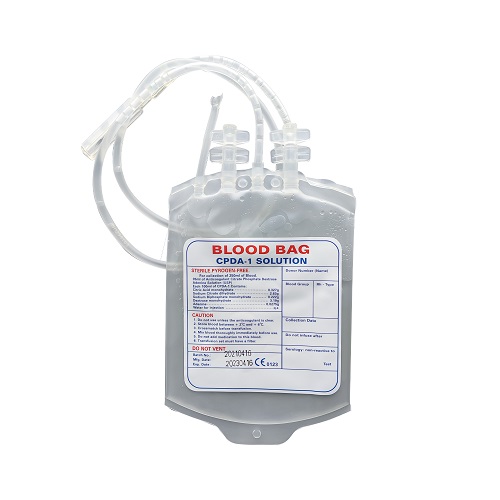
Table of Contents
- What is a Blood Bag?
- What Are the Different Types of Blood Bags?
- What Are the Components and Materials of a Blood Bag?
- Why Are Blood Bags Advantageous in Medical Care?
- How Should Blood Bags Be Stored and Handled?
- How to Select the Right Blood Bag for Your Facility?
- Blood Bag Comparison Table
- Frequently Asked Questions (FAQ)
- Conclusion
What is a Blood Bag?
A blood bag is a sterile, medical-grade container used to collect, store, and transfuse blood or its components. It is designed to maintain the integrity of blood while preventing contamination. Blood bags are indispensable in modern healthcare, ensuring safe transfusions for patients across hospitals, blood banks, and clinics. Babio Biotechnology specializes in producing high-quality blood bags that comply with international standards.
What Are the Different Types of Blood Bags?
Blood bags vary according to the number of bags, additives, and intended blood component. Common types include:
- Single Blood Bag: Used for whole blood collection.
- Double Blood Bag: Separates plasma or platelets from red blood cells.
- Triple Blood Bag: Allows collection of multiple components simultaneously.
- Quadruple Blood Bag: Used for advanced blood processing and component separation.
Each type is equipped with anticoagulants and additive solutions to ensure optimal storage and function.
What Are the Components and Materials of a Blood Bag?
Understanding the structure of a blood bag is crucial for safe handling:
- Main Bag: Made of medical-grade PVC or non-PVC materials.
- Satellite Bags: Secondary bags used for component separation.
- Tubing and Clamps: Ensure controlled blood transfer.
- Needle Port: Sterile entry point for blood collection.
- Anticoagulant Solutions: Prevent blood clotting during storage.
Why Are Blood Bags Advantageous in Medical Care?
Blood bags offer multiple benefits over older storage methods like glass bottles:
- Reduced contamination risk due to sterile design.
- Enhanced blood component separation efficiency.
- Extended shelf-life for blood and derivatives.
- Lightweight and easy to transport.
- Compatibility with automated blood processing equipment.
How Should Blood Bags Be Stored and Handled?
Proper storage and handling of blood bags are critical for patient safety:
- Temperature Control: Maintain recommended refrigeration (1–6°C for whole blood).
- Avoid Physical Damage: Handle bags gently to prevent leakage or clotting.
- Labeling: Ensure clear and accurate labeling for traceability.
- Inventory Management: Rotate stock using first-in-first-out (FIFO) method.
How to Select the Right Blood Bag for Your Facility?
Choosing the correct blood bag depends on your operational needs and the type of transfusion services you provide:
- Consider the number of blood components required.
- Check compatibility with anticoagulant solutions.
- Assess bag material for chemical stability and durability.
- Ensure compliance with national and international standards.
Babio Biotechnology offers a wide range of blood bags suitable for different clinical requirements, ensuring quality and safety.
Blood Bag Comparison Table
| Type | Number of Bags | Purpose | Typical Additive |
|---|---|---|---|
| Single | 1 | Whole blood collection | CPD/CPDA-1 |
| Double | 2 | Red cells and plasma separation | CPD + SAGM |
| Triple | 3 | Red cells, plasma, platelets | CPD + Additive Solution |
| Quadruple | 4 | Comprehensive component collection | CPD + SAGM |
Frequently Asked Questions (FAQ)
1. Are blood bags reusable?
No, blood bags are single-use devices to prevent contamination and ensure patient safety.
2. How long can blood be stored in a blood bag?
Storage duration depends on the blood component: whole blood typically lasts 35–42 days under refrigeration, while platelets have a shelf life of 5–7 days.
3. What makes Babio Biotechnology blood bags different?
Babio Biotechnology focuses on high-quality materials, precise manufacturing, and rigorous quality control, ensuring reliable performance in clinical settings.
4. Can blood bags be used for plasma-only collection?
Yes, specialized blood bags with additive solutions are designed for plasma collection and separation.
5. How should blood bags be transported?
Transport in temperature-controlled containers with minimal agitation to maintain blood integrity.
Conclusion
Blood bags are indispensable in modern medicine, offering safe, efficient, and versatile solutions for blood collection, storage, and transfusion. From single to quadruple bags, understanding their types, materials, and handling requirements ensures better patient outcomes and operational efficiency. For healthcare providers seeking reliable solutions, Babio Biotechnology offers a full range of high-quality blood bags tailored to your facility's needs. To learn more about our products or make an inquiry, contact us today for professional guidance and support.