
- English
- Español
- Português
- русский
- Français
- 日本語
- Deutsch
- tiếng Việt
- Italiano
- Nederlands
- ภาษาไทย
- Polski
- 한국어
- Svenska
- magyar
- Malay
- বাংলা ভাষার
- Dansk
- Suomi
- हिन्दी
- Pilipino
- Türkçe
- Gaeilge
- العربية
- Indonesia
- Norsk
- تمل
- český
- ελληνικά
- український
- Javanese
- فارسی
- தமிழ்
- తెలుగు
- नेपाली
- Burmese
- български
- ລາວ
- Latine
- Қазақша
- Euskal
- Azərbaycan
- Slovenský jazyk
- Македонски
- Lietuvos
- Eesti Keel
- Română
- Slovenski
- मराठी
- Srpski језик

Which Challenges Can STGG Transport Medium Solve in Respiratory Sample Collection?
In respiratory sampling, success is rarely determined by collection alone. The real test begins the moment a specimen leaves the patient and enters storage, transport, or delayed processing. I have seen laboratories struggle with poor organism recovery, unstable cold-chain conditions, inconsistent downstream performance, and samples that simply do not behave as expected once they arrive for analysis. That is where STGG Transport Medium becomes more than a technical supply item. It becomes part of the quality strategy. When hospitals, laboratories, distributors, and surveillance teams need a medium that supports sample stability and practical handling, they are really trying to reduce avoidable loss at every stage. Jinan Babio Biotechnology Co., Ltd. has drawn attention in this space because buyers are no longer looking only for a product label. They are looking for dependable performance in real working conditions.
Article Summary
This article explores how STGG Transport Medium helps address common pain points in respiratory sample collection and transport. I explain where sample loss typically happens, what laboratories and procurement teams should pay attention to, how transport media affect downstream workflows, and which product features make day-to-day operations easier. I also include a practical outline, a comparison table, and frequently asked questions so buyers can assess whether a specific STGG solution fits their cold-chain and testing needs.
Table of Contents
- Which points does this article cover?
- Which sample handling problems make respiratory transport so difficult?
- Which role does STGG Transport Medium play in specimen quality?
- Which features should buyers examine before choosing a transport medium?
- Which operational benefits matter most in routine laboratory work?
- Which differences are worth comparing before purchase?
- Which teams benefit most from STGG-based transport workflows?
- Which common questions do buyers usually ask?
- Which next step should you take if you need a reliable supplier?
Which points does this article cover?
- The most common hidden causes of respiratory sample failure
- The practical value of STGG Transport Medium during storage and transport
- The product characteristics buyers should evaluate before ordering
- The link between transport quality and downstream lab efficiency
- A side-by-side table to support procurement decisions
- Answers to real questions from labs, distributors, and purchasing teams
Which sample handling problems make respiratory transport so difficult?
Most buyers first look at the test method, but I would argue that the stability of the specimen before testing deserves just as much attention. A respiratory sample may be collected correctly and still lose value during transport. That is frustrating because the problem is often not dramatic. It is gradual. The sample warms up during movement. Processing is delayed. A medium fails to support recovery consistently. A specimen that looked acceptable on paper becomes less useful in reality.
In routine operations, several pain points appear again and again:
- Inconsistent preservation during cold-chain transport
- Reduced viability of target organisms after shipping or temporary storage
- Variation between batches or between different collection sites
- Difficulty integrating transport products into standardized workflows
- Wasted sampling effort caused by weak specimen preservation
These are not small inconveniences. They affect reporting confidence, retesting rates, labor efficiency, and procurement cost. If a laboratory keeps losing usable sample value before testing even starts, no downstream optimization can fully compensate for that. This is why choosing the right STGG Transport Medium is often a process-quality decision rather than just a purchasing decision.
Which role does STGG Transport Medium play in specimen quality?
A good transport medium should do more than hold a specimen. It should help protect the sample during the vulnerable period between collection and analysis. In my view, the value of STGG Transport Medium lies in its ability to support more reliable handling when temperature control, timing, and sample integrity all matter at once.
Buyers usually care about four practical outcomes:
-
Retention of sample value during transport
The specimen needs a stable environment while moving through cold-chain logistics or temporary storage. -
Better consistency for downstream work
Laboratories need samples that arrive in a condition suitable for repeatable processing rather than unpredictable recovery. -
Operational simplicity
Transport products should fit into daily workflows without creating handling confusion, training burden, or packaging issues. -
Reduced waste
Every failed or compromised specimen costs time, labor, and sometimes another patient interaction.
When I look at product demand in this category, I notice that users are rarely asking for fancy claims. They are asking for trust. They want to know whether the medium behaves steadily under transport pressure, whether it aligns with standard respiratory specimen workflows, and whether the supplier can provide a product that supports long-term purchasing reliability. That is the reason STGG Transport Medium continues to hold attention among professional buyers.
Which features should buyers examine before choosing a transport medium?
If I were screening suppliers, I would not stop at the product name. I would evaluate whether the medium fits the actual environment in which the sample will travel. Procurement teams often lose clarity here because many options sound similar at first glance. The better approach is to match product features to workflow risk.
Here are the areas I would review first:
| Evaluation Area | Why It Matters | What Buyers Should Ask |
|---|---|---|
| Cold-chain suitability | Transport conditions affect specimen quality quickly | Can the product support stable handling under refrigerated transport conditions? |
| Pathogen viability support | Sample usefulness depends on preservation quality | Does the medium help maintain specimen value during storage and transit? |
| Workflow compatibility | Poor fit creates handling delays and training issues | Is the format practical for collection, labeling, storage, and processing? |
| Batch consistency | Variability can damage lab confidence | Can the supplier support reliable production quality from order to order? |
| Supplier responsiveness | Technical questions and delivery coordination matter | Can the supplier support documentation, logistics, and after-sales communication efficiently? |
This is where supplier credibility starts to matter. Jinan Babio Biotechnology Co., Ltd. should not be evaluated only by whether it offers STGG Transport Medium, but by whether it can help buyers solve transport and sample-management problems in a practical way. The strongest suppliers usually make purchasing easier because they understand how the product is actually used, not just how it is described.
Which operational benefits matter most in routine laboratory work?
In day-to-day lab environments, the most useful product is often the one that removes friction. Staff do not want a transport medium that sounds professional but complicates handling. They need something that supports efficient collection, organized movement, and smoother processing once specimens arrive.
I usually break the operational value of STGG Transport Medium into these benefits:
-
More predictable specimen handling
Teams can build clearer collection and transport procedures when the medium performs steadily. -
Lower retest pressure
Better preserved samples reduce the frustration of poor recovery or incomplete follow-up work. -
Improved coordination between collection sites and laboratories
A consistent medium helps align expectations across different departments or institutions. -
Better support for scaled operations
Large testing programs, distribution networks, or surveillance work rely on process repeatability. -
More confidence in procurement planning
Products that perform reliably are easier to standardize across recurring orders.
This matters especially in settings where specimens may travel through multiple hands before reaching a final processing point. The more steps involved, the more valuable stable transport support becomes. A medium that helps protect sample usefulness across those transitions can save both time and credibility.
Which differences are worth comparing before purchase?
Buyers often ask whether one transport product is truly different from another or whether the category is mostly interchangeable. I do not think it is wise to assume all options behave the same. In practical procurement, even modest differences in workflow fit or handling reliability can become significant over time.
| Procurement Concern | Generic Low-Information Option | A Better-Qualified STGG Choice |
|---|---|---|
| Product clarity | Basic listing with limited application context | Clear relevance to respiratory sample transport and cold-chain management |
| Operational fit | Unclear compatibility with routine workflows | Better alignment with collection, storage, and lab transfer needs |
| Supplier support | Minimal communication after quotation | Stronger coordination for purchasing, packaging, and delivery questions |
| Confidence in repeat ordering | Hard to evaluate consistency over time | More suitable for long-term sourcing relationships |
That is why I would never recommend choosing solely on headline price. If an option seems cheaper but contributes to transport loss, confusion, or repeat handling problems, the hidden cost becomes higher than expected. A well-matched STGG Transport Medium can support more stable outcomes across the full sample path, which is often where purchasing value becomes visible.
Which teams benefit most from STGG-based transport workflows?
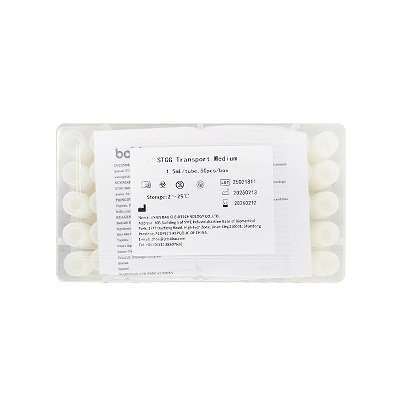
One reason this category remains relevant is that the user base is broad. The need for specimen preservation is not limited to one type of institution. In my experience, the following teams are the most likely to benefit:
- Clinical laboratories handling respiratory specimen intake
- Hospitals seeking more organized transport workflows between departments or sites
- Diagnostic distributors building stable supply portfolios for laboratory customers
- Public health and surveillance programs managing large numbers of transported specimens
- Procurement teams standardizing collection and transport consumables across recurring purchase cycles
These users do not all ask the same questions, but they usually want the same outcome: dependable sample handling with fewer preventable losses. That is exactly where a carefully sourced STGG Transport Medium can add operational value.
Which common questions do buyers usually ask?
Which point matters most when evaluating STGG Transport Medium?
I would start with real workflow fit. A product is only useful if it supports the way your team actually collects, stores, and transports respiratory samples.
Which mistake do buyers make most often?
The most common mistake is treating transport medium as a minor accessory rather than a factor that can influence sample quality and downstream consistency.
Which organizations should standardize one supplier?
Laboratories, hospital networks, and distributors with repeat purchasing needs usually benefit from standardizing a reliable source to improve consistency and simplify procurement.
Which value does a dependable supplier bring beyond the product itself?
A good supplier supports smoother communication, better logistics coordination, clearer documentation, and stronger confidence in repeat orders.
Which signal suggests a product is a better fit for cold-chain sample management?
Buyers should look for a transport solution positioned around pathogen viability support, respiratory specimen handling, and practical cold-chain use rather than a vague or generic media description.
Which next step should you take if you need a reliable supplier?
If your team is trying to improve respiratory sample handling, reduce avoidable specimen loss, and build a more dependable cold-chain transport workflow, it makes sense to review your current transport medium strategy with fresh eyes. The right STGG Transport Medium should help protect specimen value, support practical laboratory operations, and make repeat purchasing easier rather than harder.
Jinan Babio Biotechnology Co., Ltd. offers a solution worth considering if you are looking for a more dependable approach to respiratory specimen transport and sample management. If you are comparing suppliers, planning a new procurement cycle, or trying to improve transport consistency across your workflow, now is a good time to contact us and discuss the right option for your application.