
- English
- Español
- Português
- русский
- Français
- 日本語
- Deutsch
- tiếng Việt
- Italiano
- Nederlands
- ภาษาไทย
- Polski
- 한국어
- Svenska
- magyar
- Malay
- বাংলা ভাষার
- Dansk
- Suomi
- हिन्दी
- Pilipino
- Türkçe
- Gaeilge
- العربية
- Indonesia
- Norsk
- تمل
- český
- ελληνικά
- український
- Javanese
- فارسی
- தமிழ்
- తెలుగు
- नेपाली
- Burmese
- български
- ລາວ
- Latine
- Қазақша
- Euskal
- Azərbaycan
- Slovenský jazyk
- Македонски
- Lietuvos
- Eesti Keel
- Română
- Slovenski
- मराठी
- Srpski језик

What Makes STGG Transport Medium Reliable for Cold Chain Sample Management?
Article Summary
When respiratory samples travel from a collection site to a laboratory, the biggest risk is not always visible. A sample may look properly collected, properly labeled, and properly packed, yet still lose diagnostic value if microorganisms are not protected during transport. This is where STGG Transport Medium becomes important. Designed for respiratory sample preservation, it supports pathogen viability during collection, refrigerated handling, and cold chain movement, helping laboratories reduce sample loss and improve confidence before culture-based or molecular testing.
This article explains how STGG Transport Medium addresses real problems faced by hospitals, public health programs, research teams, and diagnostic laboratories. It also discusses selection factors, handling considerations, and why working with an experienced manufacturer such as Jinan Babio Biotechnology Co., Ltd. can make procurement more predictable.
Table of Contents
- Why Does Sample Loss Happen Before Testing?
- What Does STGG Transport Medium Actually Do?
- Which Pain Points Can STGG Transport Medium Help Solve?
- How Does It Support Cold Chain Sample Management?
- How Does STGG Compare With Common Sample Handling Choices?
- What Should Buyers Check Before Ordering?
- FAQ
- Conclusion
Article Outline
- Common reasons respiratory specimens lose value before laboratory testing
- The role of STGG formula components in maintaining microbial stability
- Practical benefits for sample transport, storage, culture, PCR, and surveillance programs
- Key buying factors for laboratories, hospitals, distributors, and public health users
- Frequently asked questions about use cases, storage, procurement, and quality consistency
Why Does Sample Loss Happen Before Testing?
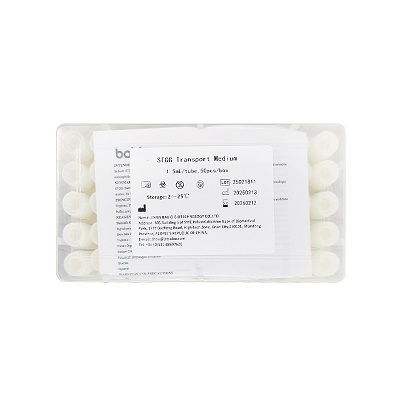
In respiratory sample management, the moment between collection and testing is often underestimated. Many teams focus heavily on swab quality, collection technique, or laboratory equipment, but the transport phase can be just as important. If a specimen is exposed to unsuitable conditions, delayed in transit, or placed in a medium that does not support the target organism, the final result may be compromised before the sample even reaches the bench.
For laboratories working with nasopharyngeal or oropharyngeal specimens, several problems can appear during transport. Some organisms are fragile. Some samples contain low microbial loads. Some collection sites are far from the testing laboratory. Some field programs operate under changing temperatures, limited refrigeration, and long transport routes. In these cases, a weak transport system can lead to lower recovery rates, inconsistent results, or repeat sampling.
Repeat sampling is not just inconvenient. It can delay clinical decisions, increase operating costs, frustrate patients, and weaken surveillance data. For public health programs, poor sample preservation can also distort the true picture of respiratory pathogen circulation. A transport medium is therefore not a small accessory. It is part of the reliability chain.
A practical sample transport system should protect the specimen, fit the cold chain workflow, and reduce uncertainty for the laboratory team.
What Does STGG Transport Medium Actually Do?
STGG Transport Medium is commonly understood as a medium based on skim milk, tryptone, glucose, and glycerol. Each component plays a practical role in helping microorganisms remain recoverable during transport and storage. The medium is especially valued in respiratory sample workflows where bacterial viability matters and where samples may need to be preserved before culture or molecular analysis.
The skim milk component helps create a protective environment around microorganisms. Tryptone supports stability by providing nutrients from protein digestion. Glucose contributes an energy-related component to the formulation, while glycerol is widely used in preservation systems because it helps protect biological material during low-temperature storage. Together, these elements help build a more forgiving environment for fragile respiratory specimens.
A well-prepared STGG Transport Medium does not replace correct sampling or correct laboratory technique. It supports them. It gives the sample a better chance of arriving in usable condition, especially when collection and testing do not happen in the same place. For hospitals, diagnostic centers, epidemiological projects, and research teams, that extra stability can be the difference between a sample that supports confident interpretation and one that raises doubts.
Jinan Babio Biotechnology Co., Ltd. provides STGG-related transport medium solutions for users who need reliable respiratory sample preservation. For procurement teams, the value is not only in the product itself, but also in batch consistency, packaging suitability, communication efficiency, and the ability to support routine laboratory demand.
Which Pain Points Can STGG Transport Medium Help Solve?
Buyers of laboratory transport media usually do not purchase based on the product name alone. They are trying to avoid specific problems. A hospital may worry about specimen rejection. A distributor may worry about unstable supply. A research team may worry about inconsistent sample recovery across collection sites. A public health project may need a medium that works well across many collection points and transport routes.
STGG Transport Medium can help address these concerns by supporting microbial preservation during the vulnerable period between sampling and testing. It is particularly useful when respiratory bacterial viability is important and when the sample may be refrigerated or frozen before analysis.
- Reducing uncertainty before testing: A suitable medium helps protect sample quality so laboratories do not start from a compromised specimen.
- Supporting culture-based workflows: When viable organisms are needed, transport conditions become critical.
- Improving sample management in field programs: Collection sites may be located far from central laboratories, making stable transport more important.
- Helping standardize multi-site collection: When different teams collect samples, a consistent transport medium helps reduce process variation.
- Lowering the risk of repeat sampling: Better sample preservation can help avoid lost time, added cost, and patient inconvenience.
The product also fits the reality of modern laboratory purchasing. Buyers are not simply asking whether a medium works in theory. They need practical answers about packaging, storage, shipping, documentation, and order stability. A dependable supplier should understand these questions before the buyer has to ask twice.
How Does It Support Cold Chain Sample Management?
Cold chain sample management is not only about keeping samples cold. It is about maintaining suitable conditions from collection to receipt, while minimizing exposure to unnecessary temperature changes. In real projects, this may involve field collection, temporary refrigeration, transport in insulated packaging, arrival inspection, laboratory accessioning, and either immediate testing or frozen storage.
STGG Transport Medium supports this workflow by giving respiratory specimens a protective liquid environment during movement and storage. When used according to validated laboratory protocols, it helps maintain sample usability for downstream work. This is valuable in situations where samples cannot be processed immediately after collection.
For buyers, the cold chain question is often tied to operational pressure. A hospital laboratory may have limited working hours. A public health program may collect samples from remote sites. A distributor may need products that remain dependable when shipped to customers with different levels of infrastructure. In these cases, the medium must fit not only the science, but also the daily workflow.
Good cold chain management should include clear sample labeling, sterile handling, controlled storage, proper transport packaging, and staff training. The medium is one part of the system, but it is a very important part. If the medium is poorly matched to the sample type or the testing goal, even careful logistics may not fully protect the specimen.
- Collect the respiratory specimen using appropriate sterile technique.
- Place the sample into the designated STGG Transport Medium container as required by the workflow.
- Seal and label the sample clearly to avoid mix-ups during transport.
- Keep the sample under the intended refrigerated or frozen condition according to the laboratory protocol.
- Record collection time, storage condition, and transfer details for traceability.
- Process the specimen promptly after arrival or store it under validated conditions.
How Does STGG Compare With Common Sample Handling Choices?
Different sample transport solutions serve different purposes. The right choice depends on the target organism, the testing method, the time before processing, and the storage condition. The table below gives buyers a practical way to compare STGG Transport Medium with other common approaches.
| Option | Typical Purpose | Strength | Possible Limitation | Best-Fit Scenario |
|---|---|---|---|---|
| STGG Transport Medium | Preservation of respiratory samples where bacterial viability matters | Supports cold chain transport, storage, and downstream culture or molecular workflows | Must be matched with proper sample type, handling procedure, and storage protocol | Respiratory pathogen surveillance, clinical sample transport, research collection programs |
| General saline solution | Basic sample suspension or dilution | Simple and widely available | May not provide enough protection for viability-sensitive workflows | Short handling processes where preservation is not the main concern |
| Viral transport medium | Transport of viral specimens | Designed for viral sample collection and testing workflows | May not be the preferred choice when bacterial recovery is the main goal | Virus-focused respiratory testing programs |
| Dry swab transport | Simple physical movement of collected material | Convenient and low complexity | Higher risk of loss in fragile or delayed workflows | Very short transfer routes with rapid processing |
This comparison does not mean one product is always better than another. It means the medium should fit the testing purpose. For buyers who need respiratory bacterial sample preservation under cold chain conditions, STGG Transport Medium is often a practical and focused choice.
What Should Buyers Check Before Ordering?
Procurement teams often face pressure to choose quickly, especially when a laboratory has an urgent testing schedule or a distributor needs stable inventory. Still, several points should be checked before confirming an order. A low price is not helpful if the product creates uncertainty after arrival.
- Application fit: Confirm that the medium is suitable for the intended respiratory sample type and downstream testing method.
- Packaging format: Check tube volume, cap design, sterility, labeling convenience, and whether the package fits the lab’s workflow.
- Batch consistency: Ask how production consistency is managed and whether supporting documentation can be provided.
- Storage and transport requirements: Make sure the product can be handled within the buyer’s available cold chain conditions.
- Supply capability: For repeat buyers, stable lead time and communication are as important as the first order.
- Technical communication: Choose a supplier that can answer practical questions clearly, not just send a quotation.
This is where supplier experience matters. Jinan Babio Biotechnology Co., Ltd. works in diagnostic reagents and culture medium-related product fields, making it a relevant manufacturer for buyers who need laboratory-oriented sample transport solutions. A buyer should not have to guess whether the product is suitable for cold chain respiratory sample work. The supplier should help clarify use case, packaging, and order details before shipment.
How Can Laboratories Use STGG Transport Medium More Effectively?
Even a reliable medium must be used correctly. Laboratories should build clear internal procedures for collection, storage, transport, and receiving inspection. Staff should know when to use the medium, how to label the sample, what temperature conditions are required, and how long samples may remain in transit based on the laboratory’s validated protocol.
For multi-site programs, standardization is especially important. If one collection point follows one process and another uses a different process, result variation may appear. Using the same STGG Transport Medium, the same labeling method, and the same transport temperature range can help create cleaner and more comparable data.
Laboratories should also review how samples are logged after arrival. A preserved specimen can still be compromised by delayed accessioning, missing labels, or poor freezer management. The medium protects the biological material, but the workflow protects the whole result.
Why Does Supplier Selection Matter for STGG Transport Medium?
For routine laboratory consumables, buyers sometimes focus only on unit cost. That approach can create hidden risk. With STGG Transport Medium, supplier selection affects more than price. It can influence batch reliability, documentation, packaging suitability, order communication, and long-term availability.
A good supplier should help buyers answer practical questions: Is the product suitable for the intended respiratory sample workflow? What packaging format is available? Can the supplier support repeated orders? How should the product be stored before use? What information is needed for quotation and shipment planning?
Jinan Babio Biotechnology Co., Ltd. can be positioned as a practical partner for laboratories, hospitals, distributors, and public health buyers seeking reliable transport medium products. The key value is not a single claim. It is the ability to support sample preservation needs with a product that fits real laboratory handling conditions.
FAQ
What is STGG Transport Medium mainly used for?
STGG Transport Medium is mainly used to help preserve respiratory specimens when bacterial viability is important. It is commonly associated with sample transport, cold chain handling, culture-based work, molecular testing support, and respiratory pathogen surveillance workflows.
Is STGG Transport Medium only for hospitals?
No. Hospitals may use it, but it is also relevant for public health programs, clinical laboratories, research institutions, and distributors that supply respiratory sample collection and preservation products.
Can STGG Transport Medium support cold chain transport?
Yes, it is designed to support sample preservation during refrigerated or frozen handling when used according to suitable laboratory protocols. Buyers should confirm the exact storage and transport requirements before use.
Does STGG Transport Medium replace proper sampling technique?
No. A transport medium cannot correct poor collection, contamination, wrong labeling, or unsuitable storage. It works best as part of a controlled sample management process.
What should buyers ask before purchasing STGG Transport Medium?
Buyers should ask about application suitability, tube volume, packaging, sterility, storage conditions, lead time, documentation, and whether the supplier can support repeat orders or project-based demand.
Why choose Jinan Babio Biotechnology Co., Ltd.?
Jinan Babio Biotechnology Co., Ltd. offers laboratory-related diagnostic and culture medium products, making it a suitable contact for buyers who need practical sample transport solutions and clear procurement communication.
Conclusion
In respiratory sample management, the transport phase can quietly determine whether a specimen remains useful or becomes questionable. STGG Transport Medium helps reduce that uncertainty by supporting bacterial preservation during collection, cold chain transport, and storage. For laboratories and public health teams, this means better protection for sample value. For buyers and distributors, it means a clearer product choice when respiratory specimen reliability is the priority.
The best purchasing decision is not simply choosing a familiar product name. It is choosing a medium that fits the sample type, testing purpose, storage condition, and operational workflow. With the right supplier support, STGG Transport Medium can become a dependable part of respiratory sample collection and preservation programs.
Ready to Improve Respiratory Sample Transport Reliability?
If you are looking for STGG Transport Medium for laboratory use, respiratory sample preservation, cold chain sample management, or distribution projects, Jinan Babio Biotechnology Co., Ltd. can help you review product options and procurement details. Share your application, expected order volume, packaging preference, and destination market with our team. For product consultation, quotation support, or project cooperation, please contact us today and let us help you choose a more reliable sample transport solution.