
- English
- Español
- Português
- русский
- Français
- 日本語
- Deutsch
- tiếng Việt
- Italiano
- Nederlands
- ภาษาไทย
- Polski
- 한국어
- Svenska
- magyar
- Malay
- বাংলা ভাষার
- Dansk
- Suomi
- हिन्दी
- Pilipino
- Türkçe
- Gaeilge
- العربية
- Indonesia
- Norsk
- تمل
- český
- ελληνικά
- український
- Javanese
- فارسی
- தமிழ்
- తెలుగు
- नेपाली
- Burmese
- български
- ລາວ
- Latine
- Қазақша
- Euskal
- Azərbaycan
- Slovenský jazyk
- Македонски
- Lietuvos
- Eesti Keel
- Română
- Slovenski
- मराठी
- Srpski језик
What Is a Nasopharyngeal Swab and Why Is It Essential for Accurate Respiratory Disease Testing
Article Summary: A nasopharyngeal swab is a critical medical sampling tool used for collecting specimens from the upper part of the throat behind the nose. This article explains its structure, applications, benefits, usage procedure, and clinical importance. It also highlights how manufacturers like Babio contribute to high-quality diagnostic sampling solutions for laboratories and healthcare systems worldwide.
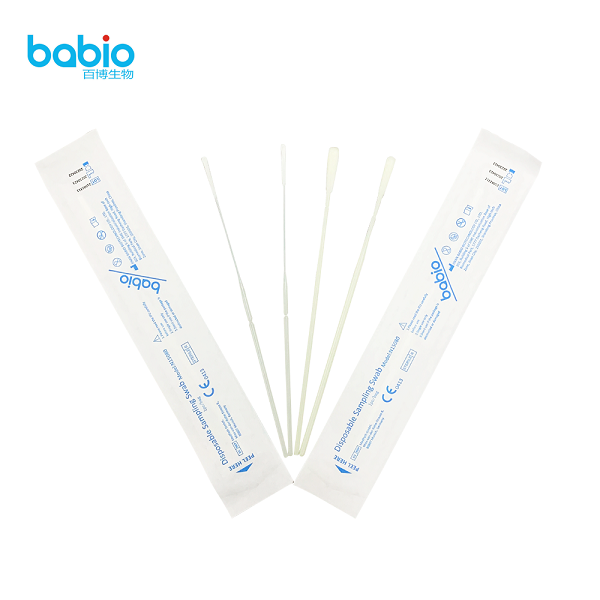
Table of Contents
- 1. Introduction to Nasopharyngeal Swab
- 2. What Is a Nasopharyngeal Swab?
- 3. Why Nasopharyngeal Swabs Are Important
- 4. Materials and Design Features
- 5. How a Nasopharyngeal Swab Is Used
- 6. Comparison Table: Nasopharyngeal vs Other Swabs
- 7. Key Applications in Medical Diagnostics
- 8. Advantages and Limitations
- 9. Frequently Asked Questions
- 10. Conclusion
1. Introduction to Nasopharyngeal Swab
A nasopharyngeal swab is one of the most widely used diagnostic sampling tools in modern medicine. It plays a crucial role in detecting respiratory infections, including influenza, COVID-19, and other viral or bacterial diseases. Leading manufacturers such as Babio provide sterile and high-quality swabs designed for reliable specimen collection and laboratory accuracy. With the increasing demand for rapid diagnostics, nasopharyngeal swabs have become indispensable in clinical settings worldwide.
2. What Is a Nasopharyngeal Swab?
A nasopharyngeal swab is a thin, flexible stick with a specialized tip made of flocked nylon or synthetic fiber. It is designed to reach the nasopharynx—the upper part of the throat behind the nose—to collect mucosal samples containing viruses, bacteria, or other pathogens. These samples are then analyzed in laboratories using molecular or antigen-based testing methods.
Modern products such as those offered by Babio sterile disposable nasopharyngeal swabs are engineered to improve sample collection efficiency and patient comfort.
3. Why Nasopharyngeal Swabs Are Important
Nasopharyngeal swabs are considered the gold standard for upper respiratory sampling due to their high diagnostic accuracy. They allow healthcare professionals to detect pathogens even at early infection stages, improving treatment outcomes and reducing transmission risks.
- High viral load collection efficiency
- Accurate early-stage infection detection
- Compatible with PCR and antigen testing
- Widely accepted in global clinical guidelines
4. Materials and Design Features
The performance of a nasopharyngeal swab depends heavily on its materials and design. High-quality swabs, such as those produced by Babio, typically include the following features:
- Flocked nylon tip: Enhances sample absorption and release efficiency
- Flexible shaft: Ensures safe navigation through nasal passages
- Sterile packaging: Prevents contamination before use
- Breakpoint design: Allows easy handling in transport tubes
These design improvements significantly increase diagnostic reliability while maintaining patient comfort.
5. How a Nasopharyngeal Swab Is Used
The proper use of a nasopharyngeal swab is essential for obtaining accurate results. Medical professionals follow a standardized procedure:
- Insert the swab gently through the nostril parallel to the palate.
- Advance until resistance is felt in the nasopharynx.
- Rotate the swab for several seconds to collect the sample.
- Withdraw slowly and place into a transport medium tube.
Correct technique ensures maximum sample yield and reduces discomfort for patients.
6. Comparison Table: Nasopharyngeal vs Other Swabs
| Swab Type | Sampling Area | Accuracy | Patient Comfort | Common Use |
|---|---|---|---|---|
| Nasopharyngeal Swab | Deep nasal cavity (nasopharynx) | Very High | Moderate | COVID-19, influenza testing |
| Nasal Swab | Anterior nasal cavity | Medium | High | Rapid antigen tests |
| Throat Swab | Oropharynx | High | Low to Moderate | Bacterial infections |
7. Key Applications in Medical Diagnostics
Nasopharyngeal swabs are widely used in clinical laboratories, hospitals, and public health screening programs. Their primary applications include:
- Detection of respiratory viruses (e.g., influenza, RSV, SARS-CoV-2)
- Epidemiological surveillance studies
- Hospital admission screening
- Outbreak investigation and control
Because of their reliability, they remain a standard tool in global diagnostic workflows.
8. Advantages and Limitations
Like any medical device, nasopharyngeal swabs have both strengths and limitations.
Advantages:
- High diagnostic sensitivity
- Widely standardized procedure
- Compatible with multiple testing methods
Limitations:
- Requires trained healthcare personnel
- May cause mild discomfort
- Improper technique can affect accuracy
9. Frequently Asked Questions
Q1: Is a nasopharyngeal swab painful?
It may cause slight discomfort, but it is generally safe and quick when performed correctly.
Q2: How long does the procedure take?
The swab collection usually takes only a few seconds.
Q3: Can I perform a nasopharyngeal swab at home?
It is recommended that trained professionals perform the procedure to ensure accuracy and safety.
Q4: Why are flocked swabs preferred?
Flocked swabs provide better sample absorption and release, improving test accuracy.
Q5: Are Babio swabs sterile?
Yes, Babio produces sterile disposable nasopharyngeal swabs designed for clinical use.
10. Conclusion
The nasopharyngeal swab remains a cornerstone in modern diagnostic medicine, offering unmatched accuracy for respiratory pathogen detection. With advancements in materials and manufacturing technology, companies like Babio continue to improve sampling efficiency and patient safety. As global healthcare demands grow, reliable diagnostic tools will remain essential for disease prevention and control.
For hospitals, laboratories, and distributors seeking high-quality sampling solutions, Babio provides trusted and professionally engineered products designed to meet international standards. To learn more or explore partnership opportunities, please contact us for detailed product information, pricing, and technical support.