
- English
- Español
- Português
- русский
- Français
- 日本語
- Deutsch
- tiếng Việt
- Italiano
- Nederlands
- ภาษาไทย
- Polski
- 한국어
- Svenska
- magyar
- Malay
- বাংলা ভাষার
- Dansk
- Suomi
- हिन्दी
- Pilipino
- Türkçe
- Gaeilge
- العربية
- Indonesia
- Norsk
- تمل
- český
- ελληνικά
- український
- Javanese
- فارسی
- தமிழ்
- తెలుగు
- नेपाली
- Burmese
- български
- ລາວ
- Latine
- Қазақша
- Euskal
- Azərbaycan
- Slovenský jazyk
- Македонски
- Lietuvos
- Eesti Keel
- Română
- Slovenski
- मराठी
- Srpski језик

How Can STGG Transport Medium Improve Respiratory Sample Reliability?
Article Summary
Respiratory sample collection is only the first step in accurate pathogen detection. The real challenge often begins after the swab is placed into a tube: temperature changes, delayed delivery, weak organism recovery, leakage risk, contamination, and inconsistent sample handling can all affect the final test result. STGG Transport Medium is designed to help laboratories, hospitals, public health programs, and diagnostic distributors preserve microbial viability during cold-chain transport and storage. This article explains how STGG Transport Medium supports respiratory sample management, what buyer pain points it helps solve, and what practical factors should be considered before choosing a supplier such as Jinan Babio Biotechnology Co., Ltd.
Table of Contents
- Article Outline
- Why Respiratory Samples Often Lose Reliability Before Testing
- What STGG Transport Medium Does in Sample Management
- Buyer Pain Points Solved by STGG Transport Medium
- How Cold-Chain Transport Changes Product Requirements
- Practical Selection Checklist for Laboratories and Buyers
- Recommended Workflow for Better Sample Integrity
- Why Jinan Babio Biotechnology Co., Ltd. Matters for Supply Decisions
- FAQ About STGG Transport Medium
- Final Recommendation
Article Outline
This blog focuses on one central question: how can STGG Transport Medium help improve the reliability of respiratory sample transport before diagnostic testing begins? The discussion is built around real procurement and laboratory concerns, including sample survival, cold-chain stability, compatibility with culture and molecular testing, packaging consistency, and supplier reliability.
- Identify the main causes of sample degradation during transport.
- Explain the role of STGG Transport Medium in preserving respiratory specimens.
- Compare common buyer concerns with practical product features.
- Provide a selection table for purchasing teams and laboratory managers.
- Offer workflow suggestions for sample collection, storage, and delivery.
- Answer frequently asked questions from laboratories and distributors.
Why Respiratory Samples Often Lose Reliability Before Testing
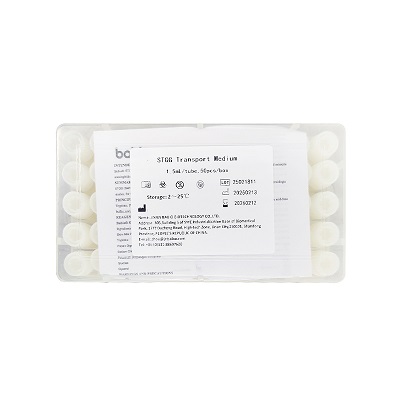
A respiratory sample can look ordinary from the outside, yet its diagnostic value may already be changing from the moment it leaves the patient. Nasopharyngeal and oropharyngeal specimens are sensitive to time, temperature, handling method, medium quality, and transport conditions. If the sample is not protected properly, the laboratory may receive material that no longer reflects the original microbial condition.
For laboratories, this creates a frustrating gap between collection and result. A swab may be collected correctly, labeled correctly, and delivered to the right destination, but still produce poor recovery because the organisms were not maintained well enough during transit. For public health programs, this can affect surveillance quality. For hospitals, it may slow down clinical decisions. For distributors, it may lead to customer complaints even when the issue is related to medium performance rather than collection technique.
The most common risks include delayed transport, repeated temperature fluctuation, insufficient medium volume, tube leakage, contamination during handling, poor compatibility with downstream testing, and inconsistent lot-to-lot quality. These risks are not small details. In respiratory pathogen work, a weak transport system can turn a strong sample into a questionable result.
What STGG Transport Medium Does in Sample Management
STGG Transport Medium is commonly associated with a formulation based on skim milk, tryptone, glucose, and glycerol. Its purpose is not simply to “hold” a sample. A well-designed STGG medium supports the preservation of microorganisms during storage and transport, especially when respiratory samples need to remain viable for culture-based analysis or stable enough for molecular workflows.
In practical use, this matters because many respiratory pathogen programs do not operate in perfect laboratory conditions. Samples may be collected in clinics, mobile screening points, regional hospitals, field stations, or public health projects where immediate testing is not always possible. A reliable medium gives teams more control over the period between collection and laboratory processing.
For buyers, the value of STGG Transport Medium is not limited to a single technical feature. It is a combination of preservation performance, sterile packaging, ease of use, transport suitability, and supply consistency. When the medium performs well, laboratories can reduce avoidable sample loss, improve recovery confidence, and make sample logistics more predictable.
Buyer Pain Points Solved by STGG Transport Medium
Many purchasing teams do not choose transport media based only on price. They care about whether the product can reduce operational problems after it enters daily use. A low-cost medium that causes sample instability, leakage complaints, or uncertain recovery may cost more in the long run than a better-controlled option.
- Weak pathogen recovery: STGG Transport Medium helps maintain microbial viability so that laboratories have a better chance of recovering target organisms after transport.
- Cold-chain pressure: Samples often move through refrigerated environments, temporary storage points, and transport vehicles. A suitable medium helps reduce the risk caused by unavoidable handling variation.
- Workflow delays: Immediate testing is not always possible. The right transport medium helps laboratories manage delays without losing confidence in the sample.
- Contamination concerns: Sterile filling, sealed tubes, and controlled production standards are important for reducing external interference.
- Inconsistent procurement: Laboratories and distributors need suppliers that can provide stable product specifications, clear documentation, and repeatable quality across orders.
These pain points explain why STGG Transport Medium is often evaluated as part of a full sample management system rather than as a simple consumable. A buyer is not just purchasing liquid in a tube. They are buying confidence that the sample can survive the journey from collection point to laboratory bench.
How Cold-Chain Transport Changes Product Requirements
Cold-chain transport sounds straightforward, but in real work it can be messy. Samples may be packed, unpacked, logged, repacked, and moved across several points before they reach the laboratory. Even when temperature control is planned, small variations can occur during loading, transfer, or temporary storage.
This is why laboratories need a medium that supports practical transport conditions, not just ideal conditions written in a protocol. STGG Transport Medium is especially relevant when respiratory samples must be preserved during cold-chain sample management. It helps bridge the gap between the collection site and the testing site by providing a more suitable environment for the specimen during transit.
For field programs and large-scale disease surveillance projects, cold-chain performance can become a major procurement factor. If the medium cannot support sample quality during long-distance delivery, the entire workflow becomes vulnerable. Strong packaging, suitable tube design, controlled fill volume, and dependable formulation all become part of the buying decision.
Practical Selection Checklist for Laboratories and Buyers
Before purchasing STGG Transport Medium, laboratories and distributors should evaluate both technical performance and operational fit. The following table can help buyers compare product options more clearly.
| Selection Factor | Why It Matters | What Buyers Should Check |
|---|---|---|
| Pathogen viability support | Respiratory samples may need to remain suitable for culture or further analysis after transport. | Ask whether the medium is designed for respiratory pathogen preservation and compatible sample workflows. |
| Cold-chain suitability | Samples often face transport delays and temperature variation. | Review recommended storage and transport conditions before routine use. |
| Sterile tube packaging | Poor packaging can increase contamination or leakage risk. | Check tube sealing, cap design, labeling space, and packaging integrity. |
| Downstream compatibility | The medium should support the laboratory’s intended testing process. | Confirm whether the sample will be used for culture, PCR, surveillance, or other analysis. |
| Supplier consistency | Large laboratories and distributors need repeatable supply quality. | Review manufacturer background, production capability, documentation, and export experience. |
| Volume options | Different programs may require different tube formats or fill volumes. | Ask whether standard and customized specifications are available. |
Recommended Workflow for Better Sample Integrity
Even a reliable transport medium cannot compensate for careless handling. To get the best value from STGG Transport Medium, laboratories should build a simple but disciplined workflow from collection to testing.
- Prepare materials before collection: Confirm that tubes, swabs, labels, biohazard bags, cold-chain containers, and documentation are ready before sampling begins.
- Collect the respiratory sample correctly: Use the appropriate swab type and follow the collection protocol for nasopharyngeal or oropharyngeal specimens.
- Place the swab into the medium immediately: Avoid unnecessary exposure time after collection. Fast transfer helps protect the sample from environmental stress.
- Seal and label the tube carefully: A secure cap and clear label reduce leakage, misidentification, and repeated handling.
- Maintain recommended transport conditions: Use cold-chain procedures that match the laboratory’s validated workflow and the product’s instructions.
- Log transport time and receipt condition: Recording time, temperature status, and tube condition helps laboratories identify process weaknesses.
- Process samples according to laboratory requirements: Once received, samples should be handled promptly and consistently based on the intended testing method.
This workflow is especially useful for hospitals, reference laboratories, public health agencies, and third-party diagnostic service providers that manage many respiratory samples each day. When staff follow the same process, sample quality becomes easier to protect and easier to audit.
Why Jinan Babio Biotechnology Co., Ltd. Matters for Supply Decisions
Choosing STGG Transport Medium is not only a laboratory decision. It is also a supply-chain decision. Buyers need to know whether a manufacturer can provide stable production, clear product communication, and consistent support when order volumes change.
Jinan Babio Biotechnology Co., Ltd. is a biotechnology company involved in diagnostic reagents, culture media, transport media, and related laboratory products. For buyers looking at STGG Transport Medium, this background is relevant because sample transport products often need to fit into broader diagnostic workflows. A supplier familiar with laboratory consumables and pathogen sample management can better understand the practical concerns of hospitals, laboratories, distributors, and public health buyers.
Another important point is product positioning. STGG Transport Medium is not a casual general-purpose liquid. It serves a defined role in respiratory sample preservation, especially where pathogen viability and cold-chain handling are important. This means buyers should prioritize manufacturers that can explain product use clearly, support documentation needs, and communicate specifications without vague claims.
For international buyers, responsiveness also matters. Importers and distributors may need product details, packing information, customization options, regulatory documents, and shipping coordination before they can place a confident order. A supplier that understands these needs can reduce the communication burden and make procurement smoother.
Key Advantages Buyers Should Look For
- Designed for respiratory sample preservation and transport.
- Suitable for cold-chain sample management workflows.
- Helpful for laboratories that need reliable pathogen recovery.
- Compatible with professional diagnostic and surveillance settings.
- Available from a manufacturer with biotechnology and diagnostic product experience.
- Useful for hospitals, laboratories, public health programs, and distributors.
FAQ About STGG Transport Medium
Q1: What is STGG Transport Medium mainly used for?
STGG Transport Medium is mainly used to preserve respiratory samples during storage and transport, especially when laboratories need to maintain pathogen viability before culture, PCR, or surveillance-related testing.
Q2: Is STGG Transport Medium only for hospital laboratories?
No. It can be used by hospitals, reference laboratories, public health centers, research programs, diagnostic distributors, and disease surveillance projects where respiratory sample preservation is required.
Q3: Why is cold-chain handling important for respiratory samples?
Cold-chain handling helps reduce sample degradation during transport. Respiratory samples may be sensitive to time and temperature changes, so proper temperature control can help protect test reliability.
Q4: Can STGG Transport Medium help reduce false or weak results?
It can help reduce sample-related reliability problems by supporting organism preservation during transport. However, final results also depend on proper collection, storage, transport, laboratory processing, and test method quality.
Q5: What should buyers confirm before ordering?
Buyers should confirm intended sample type, testing method, tube volume, storage requirements, packaging format, documentation needs, order quantity, and delivery schedule.
Q6: Why should distributors care about product consistency?
Distributors are often responsible for repeat supply to laboratories and healthcare institutions. Consistent product quality, stable packaging, and clear manufacturer communication can reduce complaints and improve customer trust.
Final Recommendation
For laboratories and buyers dealing with respiratory sample transport, STGG Transport Medium should be evaluated as a reliability tool, not just a routine consumable. The right medium helps protect pathogen viability, supports cold-chain sample management, and gives testing teams greater confidence before the specimen reaches the laboratory bench.
If your organization needs STGG Transport Medium for respiratory sample preservation, laboratory procurement, public health programs, or distributor supply, Jinan Babio Biotechnology Co., Ltd. can provide product information and purchasing support. To discuss specifications, packaging options, sample needs, or bulk order requirements, please contact us and let our team help you choose a practical solution for your workflow.